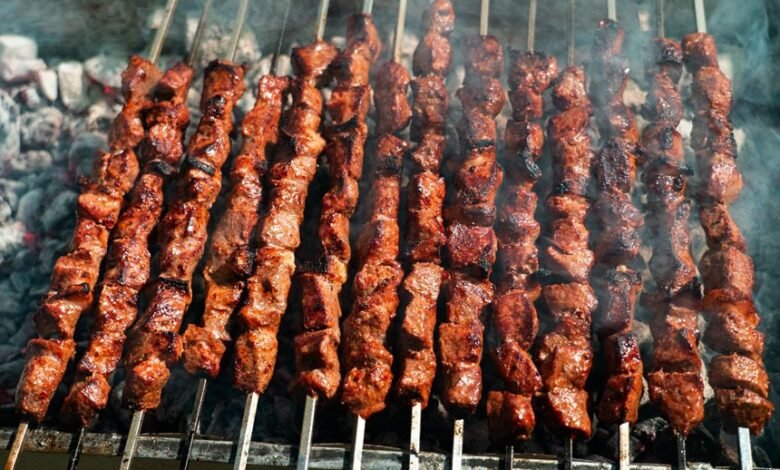
The guide presents кебалово as a distinct culinary approach defined by specific cuts, marinades, and high-heat grilling. It emphasizes precision in cut selection, marinade chemistry, and controlled searing to achieve juiciness. The framework blends theory with practice, honoring regional influences while maintaining authenticity. Practical steps are concise and actionable, with common pitfalls and serving tips addressed. The setup invites further exploration, promising a clear path to consistent results and a deeper understanding of why technique matters.
What Kebalovo Is and Why It Matters
Kebabovo is a term used to describe a distinctive style or category within its culinary context, typically involving specific preparation methods, ingredients, and cultural associations. The concept defines identity, technique, and consistency across dishes, guiding interpretation and expectations. Understanding kebab terminology clarifies craft, while regional influences reveal variation, history, and authenticity. This awareness supports informed choices and culinary appreciation, without restricting experimentation.
How to Pick Cuts and Marinate for Maximum Flavor
Choosing the right cuts and applying an effective marinade are foundational steps for maximum flavor in kebab dishes. Selecting tender, well-muscled portions ensures even juiciness, while marination targets patience, balance, and depth.
Juicy grilling emerges when cut quality and time align with marinade chemistry, producing consistent texture, aroma, and savory notes across bites.
Precision, clarity, and freedom guide every practical choice.
Step-by-Step Searing, Grilling, and Finishing for Juicy Kebabs
Step-by-step searing, grilling, and finishing for juicy kebabs require a disciplined sequence: high-heat sear to develop crust, controlled grilling to finish interior without overcooking, and a deliberate resting period to lock in moisture.
Juicy searing emerges from precise timing; grill finesse governs evenness; marination science underpins flavor retention during rest and serve.
Quick Variations, Common Pitfalls, and Serve-Perfect Tips
Quick variations, common pitfalls, and serve-perfect tips streamline cooking without sacrificing flavor or texture.
This segment analyzes practical adjustments, highlighting quick variations, and identifying common pitfalls that can derail results.
It explains what kebalovo is and why it matters, guiding consistent technique and timing.
Focused, precise guidance yields reliable, flavorful outcomes while preserving culinary freedom and expression.
Frequently Asked Questions
What Tools Are Essential for Kebalovo Success?
Essential tools for kebalovo success include reliable knives, cutting boards, skewers, and a sturdy grill. Kitchen gadgets such as thermometers and timers ensure precision. The approach emphasizes freedom, clarity, and consistency in culinary experimentation and execution.
Can Kebalovo Be Made Gluten-Free or Vegan?
Yes, kebalovo can be gluten-free and vegan. The gluten free adaptation uses gluten-free flours and bindings, while vegan substitutes replace dairy or meat elements. The approach emphasizes precision, clarity, and consistency for a freedom-seeking audience.
How Long Should Kebalovo Marinade Rest?
A hypothetical case shows marinade resting for 2 to 4 hours optimizes tenderness. In general, kebalo marinade resting enhances flavor development; longer rests (up to 24 hours) deepen aroma, while shorter times preserve brightness and texture for freedom-loving cooks.
What Are Safe Internal Temperatures for Kebalovo?
Safe internal temperatures for kebalovo depend on protein type; generally, poultry 165°F, beef 145°F medium, fish 145°F. Consider gluten free ingredients and vegan options; ensure cooking temperatures are precise, consistent, and clearly communicated for culinary freedom.
How to Store Leftovers Without Drying Them Out?
Storing leftovers can be done gently to prevent drying; wrap tightly and chill promptly, then reheat with moisture. The approach favors preserving juiciness, enabling juicy reheating while maintaining precision, clarity, and consistent, freedom-loving culinary practice without unnecessary repetition.
Conclusion
In the kitchen’s quiet glare, кебалово reveals itself as a study in restraint and flame. The cuts, marinated with science and patience, whisper promises of tenderness just beneath a crisp facade. High heat seals memory into each skewer, while careful rest softens the edge of intensity. Like a well-tinished melody, the method maps flavor through sequence—sizzle, sear, settle—leaving a lingering, color-dusted vision of grilled harmony that invites repetition without apology.